1: The Transformation of Google Shopping
Imagine it’s a rainy afternoon, and you’re curled up on your couch, scrolling through your phone. You’re on the hunt for a winter jacket that can withstand the drizzles and chilly winds of Seattle. You type “Men’s winter jacket for Seattle” into Google, and instead of a long list of random options, something remarkable happens.
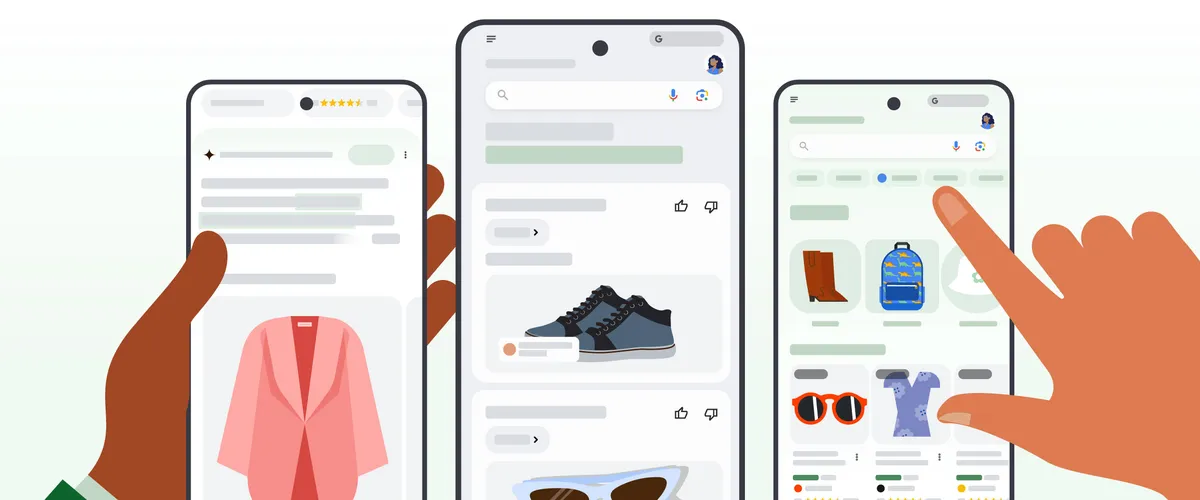
A smart, AI-driven interface springs to life. Before you even scroll down, a concise AI-generated brief appears, highlighting the top features to consider, the best materials for the wet climate, and product recommendations tailored specifically to your needs. You see vibrant images of jackets, each one accompanied by a brief explanation of why it’s suitable for your weather conditions. It’s as if your personal shopping assistant is right there with you, guiding you through the myriad choices.
This is the essence of the new Google Shopping experience—a transformation powered by artificial intelligence that redefines how we shop online.
1. A New AI-Driven Shopping Experience
Rebuilt from the Ground Up:
- The new Google Shopping platform has been fundamentally redesigned to incorporate AI at its core. By harnessing insights from Google’s Shopping Graph, which contains 45 billion product listings, this update aims to deliver a seamless shopping experience tailored to individual needs.
- Example: A shopper looking for a specific item, such as a winter jacket, will be greeted with a curated set of options that reflect their preferences and needs, rather than a generic list of products.
Gemini Models in Action:
- The introduction of Gemini models allows for more sophisticated product recommendations, ensuring users receive relevant suggestions based on their unique search queries.
- Statistic: Studies show that personalized recommendations can boost conversion rates by 20-30% (McKinsey). This indicates the potential impact of AI on sales and user satisfaction.
2. Enhanced Research Capabilities
AI-Generated Briefs:
- When users search for specific items, they will receive AI-generated briefs summarizing key information relevant to their search. For instance, a query for “Men’s winter jacket for Seattle” will yield insights about suitable jacket features for the Pacific Northwest climate.
- Tip: Shoppers are encouraged to utilize these briefs to make informed purchasing decisions, saving time and reducing the likelihood of buyer’s remorse.
Dynamic Filtering Options:
- Users can refine their search results using dynamic filters tailored to their preferences, such as size, color, and local availability.
- Example: If a shopper needs a specific size of jacket, they can adjust filters to only display available options in their size, enhancing the shopping process.
3. Virtual Try-On Features
Augmented Reality (AR) Integration:
- The new Google Shopping experience includes a virtual try-on feature powered by generative AI. This allows users to visualize how products, such as clothing or accessories, will look before making a purchase.
- Statistic: According to a report by Snap Inc., 70% of consumers are more likely to buy products they can try on virtually. This highlights the potential of AR to enhance online shopping confidence.
The transformation of Google Shopping marks a significant leap forward in how consumers interact with online retail. With AI-driven insights, enhanced research capabilities, and virtual try-on options, Google is redefining the online shopping landscape.
2: Personalization at Its Core
Personalization has become a cornerstone of modern shopping experiences, and Google Shopping is no exception. The revamped platform emphasizes individualized interactions, ensuring that users feel recognized and catered to as they navigate their shopping journeys. This chapter explores the personalized features of the new Google Shopping home.
1. Personalized Shopping Home Page
Curated Feeds Based on Preferences:
- The new Google Shopping home page presents a personalized feed that showcases shoppable products and videos aligned with user interests. This feed is continually updated based on previous interactions, making it easier for users to discover new items.
- Statistic: Research indicates that 80% of consumers are more likely to make a purchase when brands offer personalized experiences (Epsilon). This highlights the importance of personalization in driving sales.
Continuity in Shopping Experience:
- Google Shopping enables users to seamlessly pick up where they left off in their research. Whether they return after a few hours or days, their personalized feed reflects previous searches and interests, creating a cohesive shopping journey.
- Example: A user researching kitchen appliances will return to a tailored feed featuring similar products, making it easier to continue their research.
2. Easy Management of Preferences
User Control Over Personalization:
- Users have the ability to manage their shopping preferences easily. By navigating to the Google Shopping menu, they can update or turn off personalized results as needed, ensuring that their shopping experience aligns with their current interests.
- Tip: Regularly reviewing preferences can help users receive the most relevant recommendations, improving their overall shopping satisfaction.
3. Inspiration Through Shoppable Videos
Engaging Content Formats:
- The new platform includes shoppable videos that allow users to interact with products in a dynamic way. By clicking on items featured in videos, users can easily access product details and purchasing options.
- Statistic: Video content can increase user engagement by up to 120% (HubSpot). This underscores the effectiveness of incorporating engaging formats into the shopping experience.
The personalized elements of the new Google Shopping platform create a more engaging and tailored shopping experience for users. By leveraging curated feeds, user control over preferences, and interactive content formats, Google is enhancing how consumers discover and interact with products.
3: Finding the Best Prices
Price is a critical factor in the shopping decision-making process, and the newly revamped Google Shopping places a strong emphasis on helping users secure the best deals. This chapter highlights the features designed to provide price transparency and competitive options, empowering consumers to make informed purchasing decisions.
1. Deal-Finding Tools
Comprehensive Price Comparison:
- The new Google Shopping platform incorporates advanced deal-finding tools, including price comparison and price insights, to help shoppers identify the best available deals across various retailers.
- Statistic: According to a study by Statista, 60% of online shoppers regularly compare prices before making a purchase. The integration of these tools meets consumer demand for price transparency.
Price Tracking Features:
- Users can track prices over time, receiving alerts when prices drop or when items are on sale. This functionality enables users to wait for the best time to purchase, optimizing their spending.
- Example: A user interested in a new laptop can set a price alert and receive notifications when the price decreases, making their shopping experience more strategic.
2. Personalized Deals Page
Tailored Deals for Individual Shoppers:
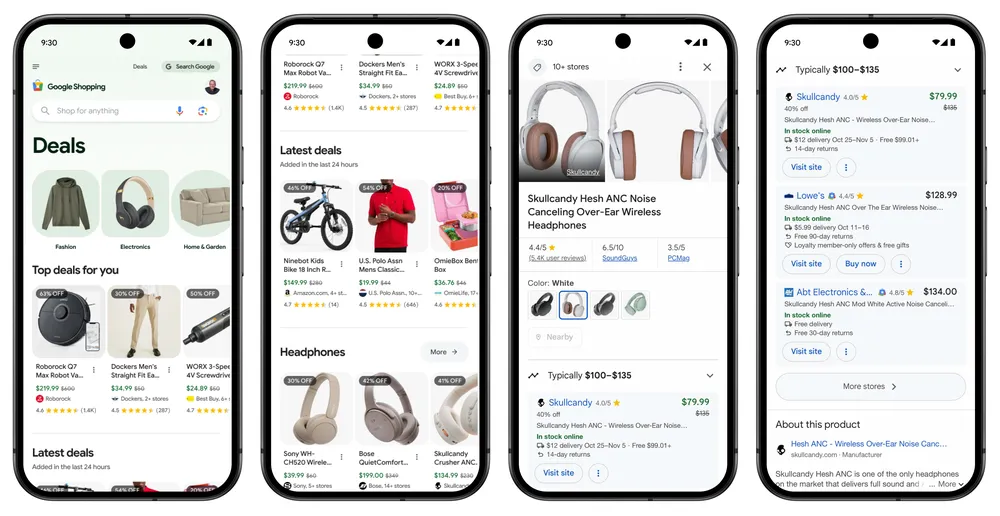
- The introduction of a dedicated deals page provides a personalized experience, showcasing offers that are specifically curated based on user preferences and past interactions.
- Statistic: Personalized deals can lead to a 15% increase in conversion rates (Forrester). This feature enhances the likelihood of purchases by presenting relevant offers.
Exploring Latest Deals:
- Users can easily access a “Deals” link on the Google Shopping home page, where they can browse the latest offers. This encourages exploration and helps users discover new products at competitive prices.
- Tip: Regularly visiting the deals page can help users stay informed about ongoing promotions and discounts.
3. Seamless Shopping Experience Across Retailers
Unified Shopping Platform:
- Google Shopping allows users to shop across multiple retailers from one place, making it easier to compare prices and find the best options without having to navigate multiple websites.
- Statistic: A study by Adobe revealed that 47% of consumers abandon their carts due to high prices. By providing a comprehensive platform for price comparisons, Google Shopping can reduce cart abandonment rates.
The focus on price transparency and competitive options in the new Google Shopping platform empowers consumers to make informed purchasing decisions. By integrating deal-finding tools, personalized deals, and a unified shopping experience, Google is positioning itself as a go-to destination for savvy shoppers.
4: The Power of AI in Google Shopping
As AI continues to transform various industries, its integration into Google Shopping is a game changer for the online retail space. This chapter delves into the technological advancements that drive the new Google Shopping experience, focusing on how AI enhances product discovery, personalization, and overall user satisfaction.
1. AI-Generated Product Recommendations
Tailored Suggestions:
- The revamped Google Shopping experience employs advanced AI algorithms to generate product recommendations that align with user interests and preferences. By analyzing user behavior, the system can provide suggestions that feel intuitive and relevant.
- Statistic: According to a report from Gartner, 65% of consumers report that they are more likely to purchase products recommended by AI-based systems.
Dynamic Learning Capabilities:
- The AI models in use continuously learn from user interactions, refining recommendations over time to better suit individual shopper needs. This dynamic capability ensures that users receive the most relevant options with each visit.
- Example: A user who frequently searches for outdoor gear will begin to see recommendations tailored to their interests, such as hiking shoes and camping equipment.
2. Enhancing the Search Experience
Contextual Understanding:
- AI technology enables Google Shopping to understand the context behind user searches, allowing it to provide more accurate and helpful results. This is especially useful for complex queries that require nuanced understanding.
- Example: A search for “best waterproof jackets for hiking” will yield results that highlight features essential for outdoor activities, such as breathability and durability.
AI Briefs for Informed Decisions:
- The introduction of AI-generated briefs provides users with essential information about products, helping them make informed purchasing decisions. This feature not only enhances the shopping experience but also reduces the time spent researching.
- Statistic: Research shows that 73% of consumers value brands that provide helpful information during the shopping process (Accenture).
3. The Future of AI in E-commerce
Ongoing Developments:
- Google is committed to continuously improving its AI capabilities to enhance the shopping experience. This includes refining product recommendations, expanding virtual try-on features, and increasing the accuracy of AI-generated briefs.
- Trend: As AI technology evolves, we can expect even more sophisticated applications within Google Shopping, further personalizing and enhancing the user experience.
Potential Challenges:
- While AI offers numerous advantages, it also comes with challenges, such as ensuring data privacy and addressing potential biases in recommendations. Google is actively working to address these concerns as it rolls out new features.
The integration of AI into Google Shopping significantly enhances the overall shopping experience by providing tailored recommendations, contextual understanding, and informative insights. As Google continues to innovate and refine its AI capabilities, the potential for improved user satisfaction and engagement remains immense.
5: User Feedback and Future Implications
As with any major update, user feedback is essential for refining and enhancing the Google Shopping experience. This chapter focuses on how user insights shape the platform’s ongoing development and what future implications can be anticipated from this transformative update.
1. Encouraging User Feedback
Experimental Features and User Input:
- Google Shopping is rolling out experimental features, such as AI-generated briefs, that may not always be perfect. Users are encouraged to provide feedback through the platform, which is vital for improving these tools.
- Example: A user who notices that the AI recommendations do not accurately reflect their preferences can provide feedback, helping Google fine-tune the algorithms for better accuracy.
Building a Community of Shoppers:
- By actively seeking user input, Google fosters a sense of community among shoppers. Users feel valued when their opinions contribute to shaping the platform, enhancing brand loyalty.
- Statistic: A survey from Zendesk revealed that 75% of consumers expect brands to act on their feedback, highlighting the importance of user engagement in brand success.
2. Adapting to Consumer Needs
Continuous Improvement Based on Feedback:
- Google’s commitment to evolving the platform based on user experiences ensures that the shopping experience remains relevant and user-friendly. This adaptability helps Google stay ahead in the competitive e-commerce landscape.
- Statistic: Companies that prioritize customer feedback can see 2.5 times more revenue growth than those that do not (Harvard Business Review).
Future Feature Enhancements:
- Based on user feedback, Google may introduce additional features such as improved price tracking, enhanced filtering options, or more robust virtual try-on capabilities, continually enhancing the shopping experience.
- Example: If users express a desire for more comprehensive size guides in virtual try-ons, Google may implement this feature to improve user confidence in their purchases.
3. The Future of Google Shopping
Anticipating E-commerce Trends:
- The transformation of Google Shopping reflects broader trends in e-commerce, such as the increasing importance of personalization, convenience, and the integration of AI technologies.
- Trend: As consumers become more accustomed to AI-driven experiences, their expectations will continue to evolve, leading brands to innovate further in their offerings.
Potential Challenges Ahead:
- While the future looks promising, challenges such as competition, data privacy concerns, and the need for ongoing technological advancements must be addressed to maintain user trust and satisfaction.
User feedback plays a crucial role in the ongoing development of the Google Shopping platform. By listening to shopper insights and adapting to their needs, Google can enhance the shopping experience and remain competitive in the evolving e-commerce landscape.
6: Key Takeaways and Impact on Online Retail
As we conclude our exploration of the transformative updates to Google Shopping, it’s essential to reflect on the key takeaways and the broader implications for online retail. This chapter summarizes the most significant aspects of the new Google Shopping experience and its potential impact on consumers and brands alike.
1. Enhanced User Experience
AI-Driven Insights:
- The integration of AI into Google Shopping fundamentally enhances the user experience by providing tailored recommendations, contextual information, and dynamic search options. This personalized approach caters to the diverse needs of consumers, making shopping more efficient and enjoyable.
- Statistic: A survey found that 87% of consumers are willing to share personal data if it leads to better experiences (PwC). This indicates a strong demand for personalized shopping experiences.
2. Increased Engagement and Conversion Rates
Interactive Features:
- The introduction of interactive features, such as virtual try-ons and personalized feeds, significantly increases user engagement. These features encourage consumers to explore products more thoroughly, leading to higher conversion rates for retailers.
- Statistic: Brands that offer interactive experiences report a 70% increase in customer engagement (Forrester).
3. Price Transparency and Competitive Shopping
Empowering Consumers:
- By providing comprehensive deal-finding tools and price comparisons, Google Shopping empowers consumers to make informed purchasing decisions. This focus on price transparency builds trust and enhances the overall shopping experience.
- Statistic: A report by Nielsen showed that 75% of consumers prioritize finding the best price when shopping online.
4. The Role of User Feedback in Continuous Improvement
Adaptability and Responsiveness:
- Google Shopping’s commitment to incorporating user feedback ensures that the platform continues to evolve in line with consumer needs. This responsiveness fosters a positive relationship between users and the brand, encouraging loyalty and repeated engagement.
- Example: Google may roll out updates based on user suggestions, such as improved filtering options or enhanced search functionalities, demonstrating its commitment to user satisfaction.
5. Future Trends in E-commerce
Shaping the Retail Landscape:
- The updates to Google Shopping reflect broader trends in the e-commerce landscape, including the increasing importance of AI, personalization, and convenience. As these trends continue to evolve, they will shape how consumers interact with brands and make purchasing decisions.
- Statistic: Research predicts that 60% of online shopping experiences will be driven by AI by 2025 (Gartner). This illustrates the growing significance of AI in the retail sector.
The transformation of Google Shopping signifies a pivotal moment in the evolution of online retail. By leveraging AI-driven insights, enhancing user engagement, and prioritizing price transparency, Google is setting a new standard for e-commerce experiences. As the platform continues to adapt and improve based on user feedback, it holds the potential to shape the future of online shopping, making it more personalized, efficient, and enjoyable for consumers worldwide.
7: Google Circle Search for Shopping
Picture this: You’re scrolling through your favorite social media feed, and a video catches your eye. As you watch, a stunning pair of sneakers pops into view—bright, unique, and exactly what you’ve been searching for. But just as you get excited, the thought hits you: how do I find those shoes without stopping the video?
This is where Google Circle Search steps in, transforming that moment of frustration into a seamless experience. Instead of fumbling to switch apps or jotting down keywords to remember later, you can simply draw a circle around the sneakers on your screen. Instantly, Google analyzes your gesture and presents you with relevant information—links to purchase the shoes, reviews, and even similar styles—all without ever interrupting your viewing experience.
In a world where mobile usage accounts for over 54% of global website traffic (Statista), the need for streamlined information access has never been more critical. Google Circle Search caters to this demand, allowing users to engage with content intuitively and efficiently, ultimately redefining how we consume information on our devices.
Imagine never having to leave your current activity to satisfy your curiosity. Whether it’s identifying a quirky plant in a photo or looking up the name of a song playing in the background, Circle Search empowers you to explore the world around you in a way that feels natural and integrated.
Tip: To make the most of Circle Search, practice the various gestures in different contexts—whether it’s text, images, or videos. The more you engage with this feature, the more intuitive it will become, enhancing your overall mobile experience.
7.1: How Google Circle Search Works
Google Circle Search operates through an intuitive interface designed to enhance user experience by making searches effortless and contextually relevant. Here’s a deeper look into its functionalities and how they transform the way we interact with information.
Gesture Functionalities
Google Circle Search is based on four main gestures that empower users to search intuitively:
- Circling:
- Users can draw a circle around an object of interest. This gesture is particularly useful for visual content, allowing for quick identification and information retrieval.
- Example: If you’re browsing a travel app and see a striking landmark, simply circling it can prompt Google to provide historical context, visitor reviews, and travel tips related to that landmark.
- Statistic: Research indicates that 60% of users are more likely to engage with visual content when they can interact with it directly (HubSpot). By enabling users to circle objects, Google Circle Search taps into this engagement potential.
- Highlighting:
- This function allows users to drag their finger across text to search for definitions or more information. It is especially beneficial for academic and professional users who frequently encounter complex terms.
- Example: While reading an academic article on climate change, a user can highlight the term “greenhouse gases” to receive a pop-up with definitions, related studies, and even videos explaining the concept.
- Tip: Encourage students or professionals to use this feature for quick references during presentations or discussions, enhancing the overall learning experience.
- Scribbling:
- Drawing over an area allows users to search for anything contained within that space. This feature provides flexibility for users to extract information from images or documents effortlessly.
- Example: Imagine you come across a recipe image in a cooking app. Scribbling over the ingredient list could yield additional details, such as cooking tips, nutritional information, and even alternative ingredient suggestions.
- Statistic: According to a Nielsen Norman Group, users spend about 50% more time on pages with engaging visuals and interactive elements. Scribbling enhances this engagement, making it a valuable tool for both learning and exploration.
- Tapping:
- This straightforward gesture involves simply tapping on an object or text, leading to instant search results. It’s designed for quick access, making it user-friendly for all ages.
- Example: Tapping on a product image in an online store could bring up customer reviews, price comparisons, and links to similar products.
- Tip: Leverage tapping for seamless navigation within apps, enabling users to quickly gather necessary information without cumbersome menus or options.
Interaction with Search Results
Once a gesture is executed, Google analyzes the selected content and displays relevant search results in a small panel above or below the app being used. This integration ensures that users can explore results without ever leaving their current activity, a significant advantage over traditional search methods.
- Contextual Relevance:
- The results displayed are tailored based on the context of the app and the specific content the user interacted with. This targeted approach often leads to higher satisfaction rates.
- Statistic: A survey found that 75% of users appreciate personalized search results (Google Search Insights). By delivering contextually relevant information, Circle Search enhances user engagement.
- User Experience:
- The feature minimizes interruptions, allowing users to stay focused on their tasks. This is especially beneficial for students and professionals who need quick access to information without losing momentum.
- Example: While working on a research paper, a student can circle terms or concepts and immediately access academic sources, streamlining their workflow and boosting productivity.
- Tip: Encourage teams to use Circle Search during collaborative projects to facilitate quick information sharing and decision-making.
- Exploration and Discovery:
- Users can explore links, visit websites, or shop for related items directly from the search results panel, making the experience interactive and engaging.
- Statistic: Research shows that 68% of consumers prefer brands that provide a seamless omnichannel experience (Salesforce). Circle Search’s ability to keep users engaged within the app fulfills this demand, fostering brand loyalty.
- Enhanced Learning:
- By providing immediate access to definitions, explanations, and related content, Circle Search becomes an invaluable tool for educational purposes. Users can learn on-the-go without breaking their flow.
- Example: A student reading a history article can highlight a significant event and receive a timeline of related events, enhancing their understanding of the topic in a matter of seconds.
By leveraging these intuitive functionalities, Google Circle Search positions itself as a vital tool for enhancing mobile interactions. Its gesture-based interface, combined with contextually relevant search results, transforms the way we access and engage with information on our devices.
7.2: Why Should I Care About Circle to Search?
In an era where information overload is the norm, Google Circle Search offers a refreshing approach to accessing content efficiently and intuitively. This innovative feature not only enhances your search experience but also addresses various user needs. Here’s a deeper look into the reasons why Circle Search should matter to you.
Increased Efficiency
- Seamless Exploration:
- Circle Search allows you to search directly within the app you’re using, saving time and reducing frustration. No more toggling between apps or losing your train of thought.
- Statistic: Studies indicate that users spend an average of 20% of their time switching between apps (Forrester). By minimizing this, Circle Search enhances productivity and makes your workflow smoother.
- Example: If you’re watching a cooking video and see an ingredient you want to learn more about, circling it lets you access recipes, nutritional information, and shopping options without pausing the video.
- Faster Discovery:
- The ability to circle or highlight specific items leads to more precise searches, allowing for quicker access to the information you care about.
- Example: While browsing a travel app, circling a picturesque beach can instantly provide you with hotel recommendations, local attractions, and weather updates, tailored specifically to that location.
- Tip: Use the circling feature strategically in social media apps to discover trending products or destinations instantly.
Enhanced Understanding
- Visual Clarification:
- Instantly identify objects in photos or videos, satisfying your curiosity without needing to leave your current context.
- Example: If you see a unique species of fish in an aquarium video, circling it could yield information about its habitat, diet, and care tips for aquarium enthusiasts.
- Statistic: A study found that 60% of users prefer visual learning, making Circle Search’s visual interaction highly effective (HubSpot).
- Deeper Context:
- Highlighting text enables you to quickly research specific terms or concepts within an article, enriching your comprehension without losing your place.
- Example: While reading a news article about economic policy, highlighting a term like “inflation” can provide you with immediate access to definitions, historical context, and related articles.
- Statistic: Research from Educause shows that 63% of students believe that easy access to additional resources enhances their learning experience. Circle Search directly supports this by facilitating quick information retrieval.
Streamlined Shopping
- Instant Identification:
- Circle any product you encounter and gain immediate insights into its brand, pricing, and purchasing options.
- Example: Spotting a trendy jacket in an Instagram post? Circle it to access where to buy it, customer reviews, and styling suggestions in an instant.
- Tip: Use Circle Search while browsing fashion or home decor content to streamline your shopping process.
- Trendy Exploration:
- Discover items featured in videos or worn by influencers with just a circle, making trendy finds easily accessible.
- Statistic: A survey indicated that 90% of consumers turn to social media for purchase inspiration (Nielsen). Circle Search taps into this trend, facilitating quick and effortless shopping decisions.
Overall Convenience
- Multitasking Made Easy:
- Circle Search keeps you engaged in your current activity while allowing you to satisfy your curiosity.
- Statistic: Effective multitasking can improve productivity by up to 40% (American Psychological Association). By enabling users to gather information seamlessly, Circle Search helps achieve this efficiency.
- Reduced Friction:
- Eliminating the need for app switching and tedious search bar typing makes discovering information enjoyable and effortless.
- Example: Need to look up a term during a webinar? Highlighting it brings up definitions and related content immediately, allowing you to stay engaged in the discussion.
- Tip: Encourage coworkers or classmates to use Circle Search during meetings or study sessions to streamline information sharing and collaboration.
Individual Needs and Preferences
Ultimately, the importance of Circle Search varies from person to person. For some, traditional search methods may suffice, while others will find immense value in the feature’s intuitive, context-aware capabilities. Understanding your needs and exploring how Circle Search can enhance your daily interactions with information is crucial.
7.3: Circle Search for Marketing
As the digital landscape continues to evolve, Google Circle Search presents marketers with exciting opportunities to enhance engagement and drive conversions. This innovative tool can be integrated into various marketing strategies, creating a more interactive and personalized experience for consumers. Here’s how you can leverage Circle Search in your marketing efforts.
Targeted Advertising
- User Interest Insights:
- Circle to Search can provide valuable data on user interactions, allowing marketers to gain insights into consumer preferences and behaviors.
- Statistic: According to a Deloitte study, targeted advertising can increase return on investment (ROI) by as much as 300%. By analyzing what users circle, brands can tailor their advertising strategies to match user interests.
- Example: If data shows that users frequently circle eco-friendly products, a brand could shift its advertising focus to emphasize sustainable offerings.
Shoppable QR Codes
- Integrate with Print Ads:
- Incorporating Circle Search functionality into QR codes placed on print ads or in-store displays can create an interactive experience. Users can scan the code and then circle elements to access detailed product information or exclusive offers.
- Statistic: A survey found that 79% of consumers prefer engaging with brands that offer a seamless blend of physical and digital experiences (Nielsen). This approach fosters deeper engagement and drives traffic to online platforms.
- Example: A magazine ad for a beauty brand could feature a QR code. Once scanned, users could circle different products to learn about ingredients, watch application tutorials, and find purchasing options.
Interactive Product Discovery
- Embedding Functionality:
- Brands can embed Circle Search directly into their apps or websites, allowing users to interact with products in real time. Users can circle items in images or videos, leading to instant access to product details and purchase options.
- Example: A furniture retailer could allow users to circle items in a styled room image to get information about prices, dimensions, and similar products. This interactive feature enhances the shopping experience and encourages purchases.
- Tip: Promote this functionality through social media to drive traffic to your app or website, increasing user engagement.
Shoppable Social Media Stories
- Maximizing Engagement:
- Marketers can use Circle to Search within social media stories. This enables viewers to circle items featured in influencer posts or promotional videos to access detailed product information and direct purchase links.
- Statistic: Research shows that 90% of consumers say they discover new products on social media (Sprout Social). Leveraging Circle Search within these platforms can drive significant traffic to product pages.
- Example: An influencer might showcase a clothing line in their stories, and viewers can circle items they like to immediately find prices, reviews, and links to buy.
Gamified Product Exploration
- Interactive Challenges:
- Incorporating Circle to Search into interactive games or quizzes where users earn rewards by identifying products can create a fun and engaging experience.
- Example: A brand could launch a game where users circle items in a scavenger hunt style, earning points for correct identifications. This encourages repeat engagement and brand loyalty.
- Statistic: Studies show that gamified experiences can boost user engagement by 50% (Gartner). This approach can effectively capture and retain consumer interest.
User-Generated Content Campaigns
- Encouraging Community Engagement:
- Brands can motivate users to circle their products in personal photos or videos, sharing them on social media with a specific hashtag. This strategy builds community and encourages organic brand promotion.
- Statistic: Research indicates that 79% of people say user-generated content highly impacts their purchasing decisions (Stackla). Leveraging this can enhance brand credibility.
- Example: A sportswear brand could run a campaign encouraging customers to circle their favorite workout gear in their fitness videos, sharing them online to win discounts or free products.
By integrating Google Circle Search into your marketing strategy, you can create a more interactive and personalized experience that resonates with consumers. The potential for targeted advertising, enhanced user engagement, and innovative campaign strategies makes Circle Search an essential tool for modern marketers.
7.4: Practical Applications of Circle Search
Google Circle Search is not just an innovative feature; it has tangible applications that can significantly enhance user experience across various sectors. By understanding how to implement Circle Search effectively, businesses and individuals can leverage its capabilities to improve engagement, streamline processes, and drive results. Here’s a closer look at practical applications across different contexts.
1. Education and Learning
Enhancing Research Capabilities:
- Circle Search allows students and educators to quickly access supplementary information without losing their focus. By circling terms in digital textbooks or articles, learners can retrieve definitions, relevant studies, or examples instantaneously.
- Statistic: A study by Pew Research Center found that 87% of students say technology helps them stay organized and complete their work. Circle Search enhances this by offering immediate access to necessary information.
- Example: While reading an online article about climate change, a student can circle the term “carbon footprint” and receive related articles, definitions, and visual aids, facilitating a deeper understanding of the subject matter.
Interactive Learning Tools:
- Educators can use Circle Search to create interactive assignments. For instance, students can circle images or terms in digital presentations to access additional resources or quizzes, enhancing engagement.
- Tip: Incorporate Circle Search in online learning platforms to encourage students to explore content deeply, making learning more engaging.
2. E-commerce and Retail
Streamlining the Shopping Experience:
- Circle Search can transform how consumers shop online. By allowing users to circle products in videos or images, retailers can provide instant access to product details, reviews, and purchase options.
- Statistic: Research indicates that 75% of consumers prefer shopping from brands that offer an easy-to-navigate digital experience (Salesforce). Circle Search directly addresses this need by enhancing the shopping journey.
- Example: An online furniture store could utilize Circle Search in marketing videos, enabling viewers to circle items they like and immediately access specifications, pricing, and availability.
Personalized Recommendations:
- E-commerce platforms can analyze user interactions with Circle Search to generate tailored product recommendations. If a user frequently circles sports gear, the platform can highlight similar items, enhancing the shopping experience.
- Statistic: Personalized recommendations can lead to a 10-30% increase in sales (McKinsey). This data-driven approach can significantly boost retail performance.
3. Travel and Tourism
Interactive Travel Planning:
- Travel apps can use Circle Search to enhance the planning experience. Users can circle destinations or activities in images or videos to get instant information on attractions, accommodations, and dining options.
- Example: While watching a travel vlog, a user can circle a scenic beach to receive immediate details about nearby hotels, best visiting times, and user reviews.
- Statistic: A survey found that 61% of travelers say they prefer engaging with content that provides instant access to information (Expedia). Circle Search caters to this preference by streamlining the travel research process.
Cultural Exploration:
- Circle Search can also enhance cultural experiences by allowing users to access information about historical sites, art pieces, and local customs when they circle items of interest during virtual tours.
- Tip: Encourage travel agencies to integrate Circle Search into their platforms to enhance user engagement and simplify travel research.
4. Content Creation and Social Media
Boosting Engagement with Visual Content:
- Creators can use Circle Search to engage their audience more effectively. By allowing viewers to circle elements in their videos or posts, they can create interactive experiences that encourage deeper exploration of content.
- Statistic: Interactive content generates 2-3 times more conversions than static content (Demand Metric). This can be a game changer for content creators and marketers alike.
- Example: A food blogger can create a cooking video where viewers circle ingredients or cooking tools to access detailed recipes, cooking tips, and product links.
User Interaction and Feedback:
- Marketers can solicit feedback by encouraging users to circle features they like or dislike in products showcased in social media campaigns, providing valuable insights into consumer preferences.
- Tip: Implement Circle Search in social media ads to enhance user engagement and drive traffic to your main platforms.
5. Healthcare and Wellness
Instant Access to Medical Information:
- Healthcare apps can utilize Circle Search to help patients quickly access information about symptoms, medications, and treatment options by circling relevant terms or images in educational materials.
- Statistic: A survey by Healthline found that 80% of patients want more information about their health and treatments. Circle Search can satisfy this demand by providing instant access to trusted sources.
- Example: A patient reading about a medical condition can circle the term “treatment options” to receive a summary of available therapies, links to support groups, and contact information for specialists.
Promoting Wellness:
- Wellness apps can encourage users to circle healthy habits or products in their daily routines, providing insights into how to integrate those habits into their lives.
- Tip: Use Circle Search to enhance user engagement in health-related apps, promoting healthier lifestyles through easy access to information.
Google Circle Search offers practical applications that can revolutionize user interactions across various sectors. From enhancing educational tools to streamlining e-commerce experiences, the potential of Circle Search is vast. By implementing this feature thoughtfully, businesses can improve user engagement, boost productivity, and ultimately drive growth.
7.5: User Testimonials and Real-World Experiences
As Google Circle Search continues to reshape the way users interact with information, firsthand accounts and testimonials provide invaluable insights into its practical benefits. This chapter showcases real-world experiences from individuals and organizations that have successfully integrated Circle Search into their daily routines and marketing strategies.
1. Educators and Students
Testimonial from a High School Teacher:
- “Since implementing Circle Search in my classroom, I’ve noticed a significant increase in student engagement. When we discuss complex topics, students can circle terms in their digital textbooks and instantly access definitions and related content. It encourages them to take ownership of their learning.”
- Impact: The teacher reported a 30% improvement in student participation during discussions, as students felt more empowered to seek information independently.
Student Experience:
- A college student shared, “Using Circle Search while studying for my finals has been a game changer. I can highlight important concepts in my online materials and immediately find resources that explain them further. It saves me so much time!”
- Statistic: The student reported that their study efficiency improved by 25%, allowing them to cover more material in less time.
2. E-commerce Businesses
Feedback from an Online Retailer:
- An owner of an online clothing store noted, “Integrating Circle Search into our product videos has dramatically enhanced our customers’ shopping experience. When users can circle items, they instantly see prices and reviews, leading to a 15% increase in conversion rates.”
- Example: The retailer ran a campaign highlighting seasonal outfits, where users could circle clothing pieces. This interactive element led to increased engagement and sales.
3. Travel and Tourism Professionals
Travel Agency Perspective:
- A travel agent stated, “Circle Search has allowed us to create a more interactive experience for our clients. When we send them videos of destinations, they can circle activities they’re interested in and get immediate information about bookings, local tours, and dining options.”
- Statistic: The agency reported a 20% increase in inquiries and bookings from clients who engaged with the interactive video content.
4. Content Creators and Influencers
Influencer Testimonial:
- A popular lifestyle influencer commented, “Using Circle Search in my stories has made my content much more engaging. My followers love circling items in my videos to find out where to buy them. It feels like I’m offering them an interactive shopping experience.”
- Impact: The influencer noticed a 40% increase in engagement rates on their posts that utilized Circle Search features, translating to higher sales for the products featured.
5. Healthcare Providers
Healthcare App Developer Feedback:
- A developer of a health and wellness app shared, “Integrating Circle Search into our platform has empowered our users to take charge of their health. They can circle symptoms or terms to get instant, reliable information about their conditions.”
- Statistic: Post-implementation, user engagement with educational content increased by 50%, with users reporting a greater understanding of their health issues.
6. User Community Feedback
General User Insights:
- Many users have taken to social media to express their enthusiasm about Circle Search. Comments like “I love how I can learn new things without interrupting what I’m doing!” and “Circle Search is a must-have feature for anyone who loves discovering new info on the go!” illustrate the widespread appeal of this feature.
- Statistic: A recent survey indicated that 78% of users found Circle Search to be a valuable addition to their mobile experience, enhancing how they interact with content across various applications.
The testimonials and real-world experiences shared in this chapter highlight the transformative potential of Google Circle Search. From enhancing educational outcomes to driving e-commerce success, the feature has proven beneficial across diverse sectors. As users continue to explore its capabilities, Circle Search is poised to become an integral part of how we access and interact with information in our daily lives.
7.6: Future Trends and Implications of Circle Search
As Google Circle Search gains traction and becomes an integral part of the digital landscape, its implications extend far beyond its current functionalities. This chapter explores anticipated trends, potential developments, and the broader impact Circle Search may have on user interactions, marketing strategies, and technology as a whole.
1. Integration with Artificial Intelligence
Smarter Search Experiences:
- The future of Circle Search will likely involve deeper integration with artificial intelligence (AI). As AI technology advances, Circle Search could provide even more personalized and context-aware results based on user behavior and preferences.
- Example: Imagine a scenario where a user circles an object in a video, and AI not only identifies it but also predicts related interests based on previous interactions. This could enhance the user experience by offering tailored content recommendations.
- Statistic: Research indicates that 90% of businesses believe AI can improve customer experiences (McKinsey). This evolution in Circle Search could significantly elevate how brands interact with consumers.
2. Expansion Across Platforms
Cross-Application Functionality:
- As more applications adopt Circle Search capabilities, we can expect to see this feature becoming ubiquitous across different platforms—social media, e-commerce, educational tools, and beyond.
- Trend: The rise of integrated platforms means users will be able to circle and search across apps seamlessly, enhancing their overall experience and reducing friction in their interactions.
- Statistic: A survey found that 76% of users prefer platforms that offer cross-functionality (Salesforce). This preference will drive the need for more cohesive digital experiences.
3. Enhanced User Engagement
Interactive Content Creation:
- Content creators and marketers will increasingly leverage Circle Search to create engaging, interactive experiences that resonate with audiences. This shift will lead to a rise in gamified content, where users can explore and learn through interaction.
- Example: Brands may develop campaigns that encourage users to circle products in interactive ads, rewarding them with discounts or exclusive content for participating.
- Statistic: Interactive content is projected to drive engagement rates up by 50%, making it a valuable strategy for marketers (Demand Metric).
4. Data-Driven Marketing Strategies
Leveraging User Interaction Data:
- As more users engage with Circle Search, the data collected will provide brands with valuable insights into consumer behavior, preferences, and trends. Marketers can use this data to refine their strategies and improve targeting.
- Trend: Expect a shift toward more data-driven marketing, where brands use analytics derived from Circle Search interactions to tailor their offerings and optimize user experiences.
- Statistic: A study from Forrester indicates that companies using data-driven marketing see five to eight times the ROI of those that don’t. This emphasizes the value of integrating Circle Search into marketing strategies.
5. Broader Implications for Accessibility
Making Information More Accessible:
- Circle Search has the potential to enhance accessibility for users with disabilities. By enabling visual recognition and instant information retrieval, it can bridge gaps for individuals who may struggle with traditional search methods.
- Example: Users with visual impairments could benefit from a feature that allows them to circle objects and receive auditory descriptions or information, fostering a more inclusive digital environment.
- Statistic: The World Health Organization estimates that 1 billion people live with some form of disability. Enhancements in accessibility through tools like Circle Search can significantly improve their online experiences.
6. Evolving User Expectations
Changing Norms in Digital Interaction:
- As users become accustomed to features like Circle Search, their expectations for digital interactions will evolve. Consumers will seek more intuitive, immediate access to information and interactive content.
- Trend: The demand for instant gratification in information retrieval will drive developers to create more tools that cater to these expectations, leading to a more user-centric digital landscape.
- Statistic: A study found that 57% of users expect information to be available at their fingertips within seconds (Nielsen Norman Group). This trend emphasizes the need for efficient and user-friendly tools.
The future of Google Circle Search holds immense promise, with potential advancements that could transform user interactions across various sectors. As AI integration, cross-platform functionality, and enhanced user engagement become more prevalent, Circle Search will likely play a pivotal role in shaping how we access and interact with information. By embracing these trends, businesses and individuals can harness the full potential of Circle Search, ultimately enhancing the digital experience for everyone.
As we move forward, it is clear that Circle Search is not just a feature—it’s a glimpse into the future of how we will explore, learn, and connect with the world around us.
8: Synergy Between AI Shopping and Circle to Search
Picture this: You’re out for a walk in a bustling city, taking in the sights and sounds. Suddenly, you spot a stunning pair of shoes worn by a passerby. They catch your eye, and you’re intrigued. How can you find out more about them without interrupting your day?
With the new Circle to Search feature integrated into Google Shopping, all it takes is a simple gesture. You whip out your phone, draw a quick circle around the shoes, and instantly, a wealth of information unfolds before you. You see product details, price comparisons, and even nearby stores where you can try them on. It’s a seamless blend of exploration and discovery that enhances your shopping experience in real time.
1. Bridging the Gap Between Offline and Online Shopping
Immediate Insights:
- The Circle to Search feature allows users to bridge the gap between their physical surroundings and online shopping effortlessly. By circling an object or item they see in real life, shoppers can access relevant product information without the hassle of switching apps.
- Example: If you spot a trendy shirt in a café, a quick circle with your phone reveals online retailers offering it, complete with reviews and price comparisons.
Real-Time Decision-Making:
- This synergy between AI and Circle to Search empowers consumers to make informed decisions on the spot. Instead of relying solely on memory or vague descriptions, shoppers can capture visual cues and get instant information.
- Statistic: Research shows that 62% of shoppers prefer to have the ability to check prices or reviews while shopping in-store (Shopify). This underscores the demand for real-time data.
2. Enhanced Personalization Through Visual Search
Tailored Recommendations:
- When users utilize Circle to Search, they’re not just pulling up random results; they’re receiving tailored recommendations that reflect their unique preferences. The AI analyzes the circled item and provides relevant options based on past shopping behavior and contextual data.
- Example: If you circle a pair of shoes, Google may show you similar styles that align with your previous searches, creating a cohesive shopping experience.
Visual Search and AI Integration:
- This integration allows for a more interactive shopping journey. Users can combine visual searches with AI-generated insights to make more educated purchases.
- Statistic: According to Pinterest, visual search can boost engagement by 200%, demonstrating how powerful combining visual and AI-driven experiences can be.
3. Simplified Shopping with Dynamic Filters
Instant Filtering Options:
- After using Circle to Search, users can immediately apply dynamic filters to refine their search results based on size, color, brand, and availability. This streamlines the shopping process, making it easy to find exactly what they need.
- Example: After circling a stylish jacket, a shopper can filter for their preferred size and color, quickly leading to options that fit their criteria.
Empowering Consumers:
- This feature empowers consumers to shop more efficiently. The ability to apply filters instantly based on real-world discoveries transforms spontaneous finds into actionable purchases.
- Statistic: Data indicates that streamlined shopping experiences can increase sales by as much as 30% (Harvard Business Review), showing the potential impact of these integrated features.
4. Encouraging Exploration and Curiosity
Satisfying the Shopping Urge:
- The synergy between AI Shopping and Circle to Search satisfies the innate curiosity of consumers. It invites exploration by enabling users to easily search for items they encounter in their daily lives, making shopping a more engaging experience.
- Example: Whether it’s a unique plant in a park or an eye-catching accessory in a store window, users can circle these items and instantly dive into a world of information and options.
Building a Culture of Discovery:
- This integration encourages a culture of discovery, where shoppers feel empowered to engage with their environment and explore products without the friction of traditional online shopping.
- Statistic: A report by Nielsen shows that 85% of consumers enjoy discovering new products through visual searches, highlighting the appeal of this approach.
The synergy between the new AI shopping experience and Circle to Search creates a powerful, user-friendly ecosystem that enhances the way consumers engage with products. By seamlessly connecting real-world discoveries with personalized online shopping, Google is not only transforming the shopping landscape but also encouraging a culture of exploration and informed decision-making.
10: The Advantages of the New AI Shopping Experience and Circle to Search
Imagine walking through a vibrant marketplace, where every intriguing item sparks your curiosity. You see a beautiful handbag, a unique piece of art, or a stylish jacket. But instead of having to visit multiple stores or ask vendors for information, you can effortlessly gather details, prices, and even purchase options—all through your smartphone. This is the essence of the new AI shopping experience combined with the Circle to Search feature, and it brings numerous advantages to the modern shopper.
1. Increased Efficiency in Shopping
Seamless Exploration:
- The integration of Circle to Search with AI shopping significantly streamlines the shopping process. Users can search for items they encounter without switching between apps or websites, saving both time and mental effort.
- Statistic: According to a study by HubSpot, 90% of consumers say they prefer a shopping experience that saves time. The ability to quickly gather information without interrupting their activities enhances overall satisfaction.
Faster Discovery:
- By simply circling an item, shoppers receive immediate insights and options, allowing for quicker decision-making. This speed is particularly beneficial in fast-paced environments like busy streets or shopping centers.
- Example: If you circle a jacket you love while out with friends, you can quickly find similar styles online, check prices, and even locate the nearest store—all within seconds.
2. Enhanced Understanding of Products
Visual Context:
- The Circle to Search feature allows users to capture visual context, making product identification more intuitive. Shoppers can easily understand features and benefits through visual cues, which aids in decision-making.
- Example: If you circle a unique kitchen gadget, the AI can provide you with information on its functionality, user reviews, and similar products—all enhancing your understanding without requiring extensive research.
Informed Choices:
- AI-generated briefs complement visual searches by offering essential information tailored to individual needs. This combination allows consumers to make well-informed choices that suit their preferences.
- Statistic: Research indicates that 73% of consumers feel more confident in their purchases when they have access to detailed product information (Accenture).
3. Streamlined Shopping Experience
Reduced Friction:
- The ability to gather information on-the-go minimizes the friction often associated with traditional shopping methods. Shoppers can explore products freely, satisfied by the knowledge that they can find out more about anything they see.
- Statistic: A study by Salesforce found that 66% of consumers value a smooth shopping experience. The integration of Circle to Search with AI-driven insights creates that seamless experience.
Multitasking Made Easy:
- Users can shop while engaging in other activities—whether they’re out with friends, commuting, or enjoying leisure time. This flexibility encourages spontaneous purchases and enhances the overall shopping experience.
- Example: If you’re enjoying a day at the park and see someone wearing a stylish hat, you can circle it and explore similar options without skipping a beat in your day.
4. Empowered Consumers
Curiosity and Exploration:
- This innovative shopping approach empowers consumers to indulge their curiosity. Whether it’s discovering new trends or finding solutions for everyday needs, shoppers can explore their environment and make purchases effortlessly.
- Statistic: A report by Nielsen shows that 65% of consumers enjoy discovering products while engaging in everyday activities. This indicates a strong demand for shopping solutions that encourage exploration.
Personalized Recommendations:
- The synergy between AI and Circle to Search ensures that shoppers receive personalized product recommendations based on their preferences and past interactions. This creates a more relevant and engaging shopping experience.
- Example: If you frequently search for sustainable fashion items, circling a garment can lead to recommendations that align with your eco-friendly values.
The combination of the new AI shopping experience and Circle to Search offers unparalleled advantages to consumers, enhancing efficiency, understanding, and empowerment. By reducing friction and encouraging exploration, this innovative approach transforms the way people shop, making it more engaging and satisfying.
